FCC Grants Cable’s Router Ban Waiver
NCTA said its suppliers would be hit by severe supply shortages if they couldn’t swap out components in already approved router designs.

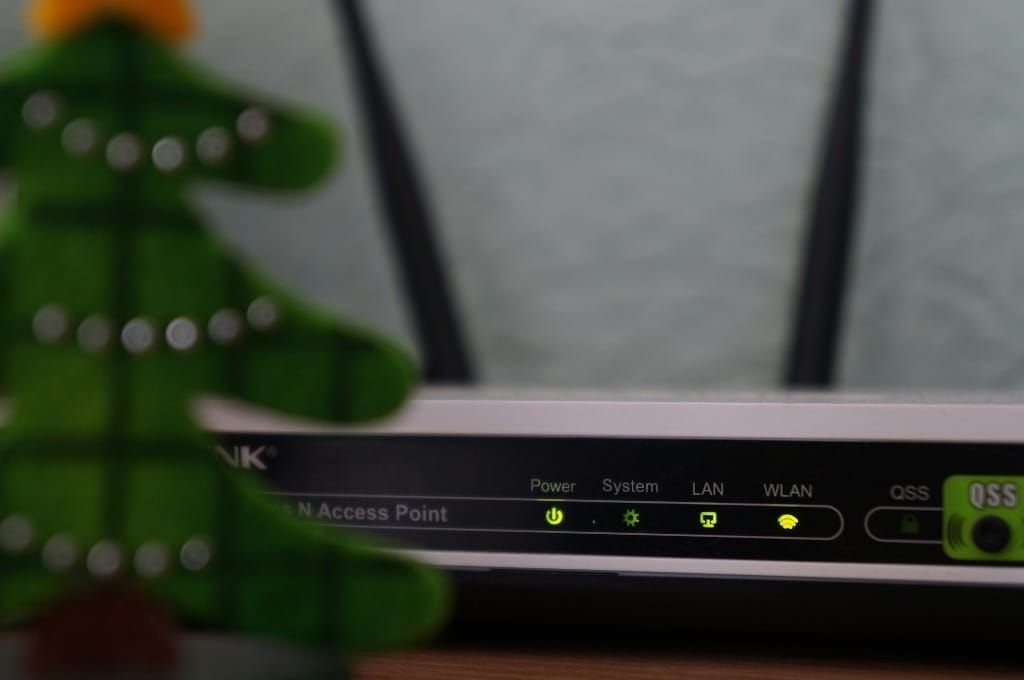
WASHINGTON, June 10, 2026 – After just a week, the cable industry got its suppliers a partial waiver from the federal ban on new models of foreign-made consumer Wi-Fi routers.
The Federal Communications Commission said in a Tuesday order that it was granting NCTA - The Internet & Television Association’s request and allowing its member ISPs’ suppliers to substitute various components in already approved router designs.

The trade group told the agency and the White House that demand from AI companies was driving up prices of chip components, especially memory, and that router manufacturers would be hit with severe supply shortages if they couldn’t swap parts of their FCC-approved designs for more abundant alternatives.
The FCC’s short order noted “unavoidable supply-chain shortages requiring the substitution of substrate components, volatile, and non-volatile memory in existing, certified router designs to prevent disruptions in the availability of broadband for NCTA’s ISP members.”
The waiver will be in effect for one year, the FCC said.
The agency added foreign made Wi-Fi routers, meaning virtually all consumer routers, to its Covered List in March. That means router models not already cleared for sale in the U.S. will be barred from import unless the manufacturer receives a temporary “conditional approval.”
The FCC and the Department of Homeland Security have been granting those waivers, including from major router manufacturers Netgear and Adtran. TP-Link, which represents 20 percent of all U.S. consumer router sales, has told the FCC it’s planning to seek a conditional approval.
TP-Link was spun off from a Chinese firm and has drawn scrutiny from lawmakers over cybersecurity issues.
The FCC said cybersecurity concerns were why it instituted its ban, citing Chinese government-backed hacks like Salt Typhoon, but extended the ban to any foreign-made routers.
In order to get conditional approval, companies have to submit a plan for onshoring some of their manufacturing. That could prove expensive enough that companies are likely reluctant to go through with it, according to Dell’Oro Group vice president Jeff Heynan.
In addition to the NCTA waiver, the FCC granted Taiwan-based network manufacturer Sercomm’s request to make alterations to its own approved designs. The company cited similar supply chain issues and potential shortages.
The agency granted a similar waiver to AT&T last month, also letting its suppliers make changes to their approved designs to avoid supply shortages.
On June 2, the same day NCTA and Sercomm made their waiver requests, top executives from the Consumer Technology Association met with FCC staff to ask for a tighter definition of what constitutes a router.
“While CTA appreciates that the Commission continues to clarify the scope of products covered by the prohibition, we are concerned about potential interpretations of the definition that could widen the scope of products subject to the Covered List,” the group wrote in a June 4 filing.
CTIA, the wireless industry group, asked for the same thing in a May 21 meeting with agency staff. The group also asked the FCC to consider generalizing elements of company-specific waivers that could apply to groups of companies.
The agency says in its FAQ on the ban that router was defined to mean “consumer-grade networking devices that are primarily intended for residential use and can be installed by the customer. Routers forward data packets, most commonly Internet Protocol (IP) packets, between networked systems.”