Infrastructure
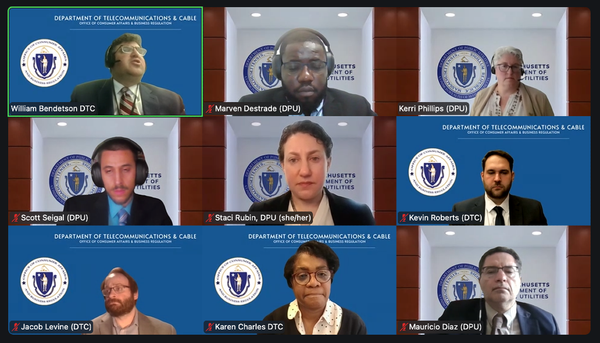
Groups Push Back on Proposed Massachusetts Pole Attachment Timeline
Current processing timelines exceed what surrounding states and FCC timelines look like.

The Broadband Equity, Access and Deployment program is a $42.45 billion initiative administered by the National Telecommunications and Information Administration of the U.S. Commerce Department. Established by the Infrastructure Investment and Jobs Act of 2021, BEAD aims to expand high-speed Internet access by funding planning, infrastructure deployment and adoption programs.
Infrastructure
Current processing timelines exceed what surrounding states and FCC timelines look like.

Expert Opinion
The number of homes a network passes is not the same as the number of homes that can realistically receive multi-gig service.

Expert Opinion
In Louisiana's poorest parish, a $6 million BEAD fiber award became a $150,000 Starlink contract under the Trump administration's rewritten program, leaving Lake Providence behind.

BEAD
The state is opening a new round of bidding for 12 percent of its BEAD locations. SpaceX did sign a contract with the state.
Fiber Connect
Fiber construction workers are increasingly being recruited by data center developers, tightening an already scarce labor pool.
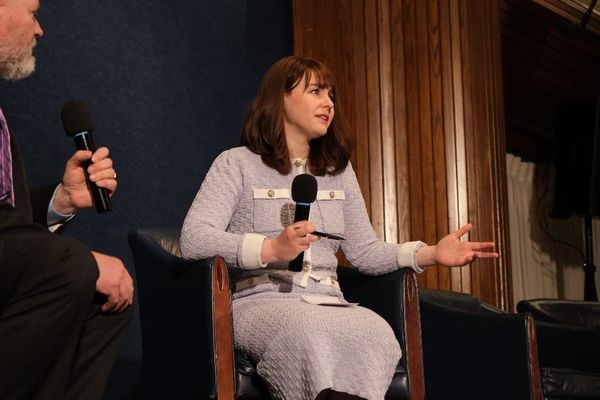
Commerce Department
The broadband trade association wants greater transparency for BEAD buildouts.
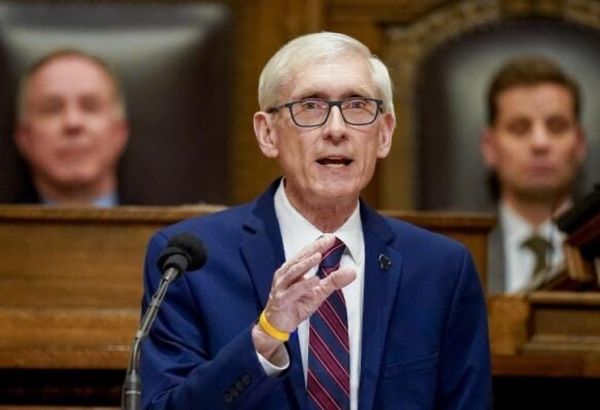
BEAD
The state says 30,000 locations are expected to remain unserved after federal deployments finish.
Fiber Connect
What is fiber's expanding role in telehealth, precision agriculture, quantum networks and data centers?
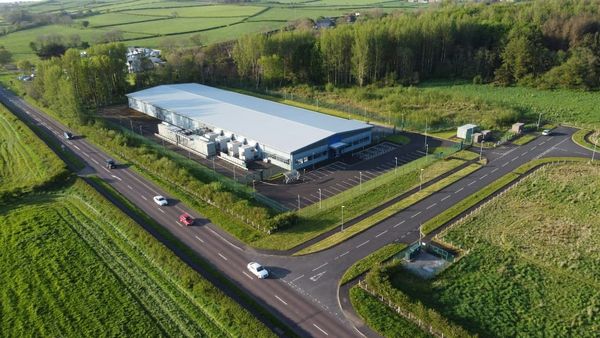
Fiber Connect
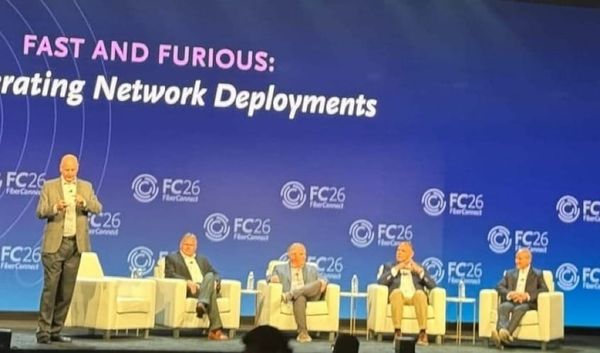
Fiber industry speaking at BroadbandLive at Fiber Connect on Tuesday discussed BEAD delays, workforce shortages and data center demand.
New Mexico
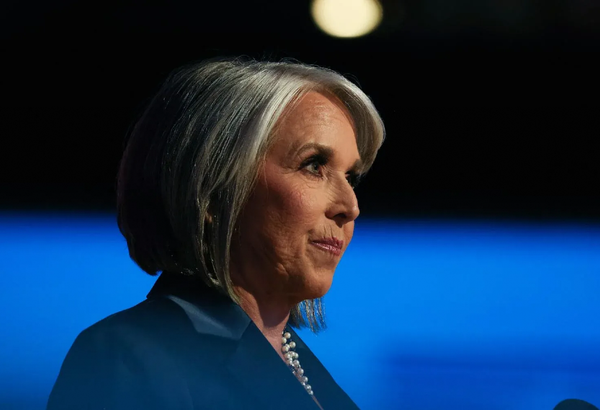
$10 million program takes effect Wednesday, with potential to expand to $45 million annually.

BEAD
With $650 million in unspent BEAD funds, Arkansas says it has a plan for how to use them.
Fiber Connect
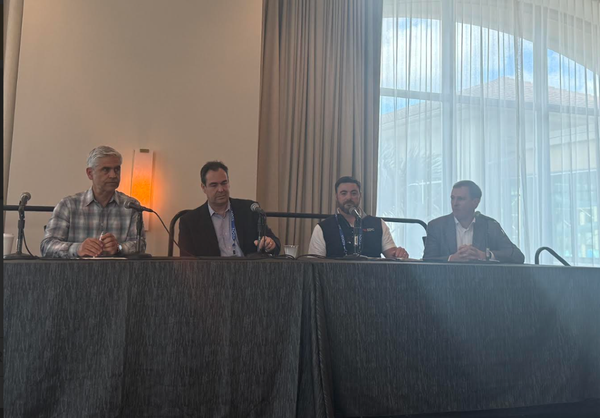
State broadband and agriculture agencies remain siloed despite precision agriculture's growing connectivity demands, panelists said.
Fiber Connect
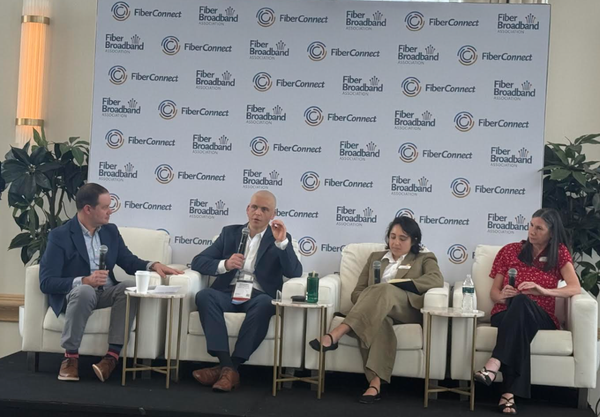
One in four Americans will be over 65 within years. An industry partnership is building the digital literacy infrastructure to reach them.

Fiber Connect
Fiber Connect 2026 panelists said the broadband buildout has become a marathon, reshaped by soaring make-ready costs.

Expert Opinion
Arkansas connected all of its unserved locations using less than a third of its BEAD allocation, leaving $650 million for broader investment.

Broadband Mapping and Data
Proposed measure would give the state new authority to collect independent data on speeds, outages, and provider performance.