Ookla Executive Says FCC App Doesn’t Account for Indoor Coverage Gaps
The ‘vast majority’ of 911 calls are placed indoors, said VP of Government Affairs Bryan Darr.

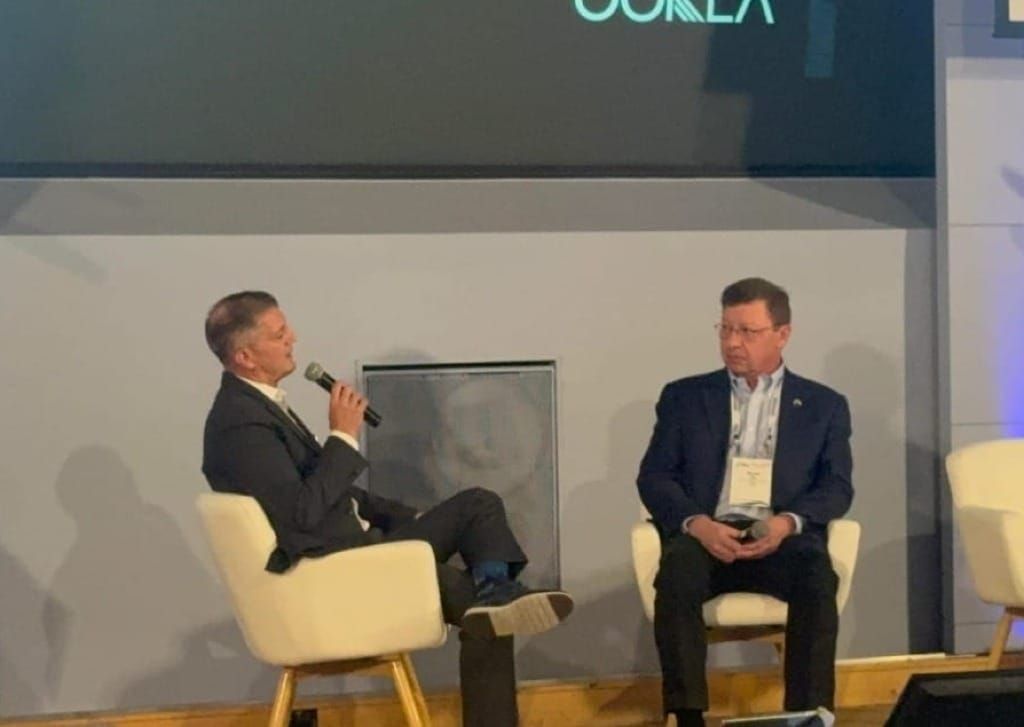
WASHINGTON, June 10, 2026 — The Federal Communications Commission's new mobile broadband challenge app may miss a major public safety problem: poor indoor wireless coverage.
Speaking at the Wireless Tech & Policy Summit, Ookla VP of Government Affairs Bryan Darr questioned the effectiveness of the new app which allows individuals to challenge their mobile broadband coverage, but the app requires that the test be run outdoors.

Darr argued that the overwhelming majority of cellphone use takes place inside, “so it’s not surprising that you’ve got the vast majority of 911 calls inside the building.” Darr pointed to Ookla’s Speedtest Pulse, a diagnostic device that can validate network performance and monitor connectivity problems over time, as a way to better identify gaps in indoor connectivity.
Indoor coverage has long posed a challenge for wireless providers because building materials, energy-efficient glass and dense urban construction can weaken signals before they reach consumers. Darr cautioned broadly against regulations that could harm incentives.
“We also saw this in London. In London there was a push to reduce the rates that operators had to pay to locate their infrastructure on rooftops. And as those leases came up, the building owners decided ‘I could put solar panels here, I could put a garden here.’”
According to Darr, the regulations reduced incentive to install infrastructure, and indoor coverage has fallen significantly since.
When asked if the United States is a laggard or a leader in network performance, Darr responded “there are certainly some countries that have pushed indoor coverage, but most of the world at this point is not taking steps forward to really fix the problem.”