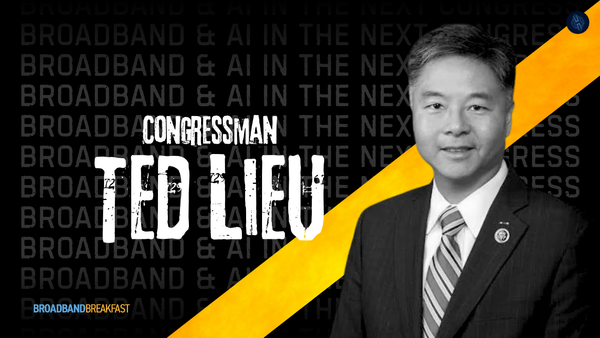
Rep. Ted Lieu Carries an AI Kill Switch Bill Into House Democratic Leadership
The new caucus chair wants shutdown powers over frontier AI passed in the lame duck session

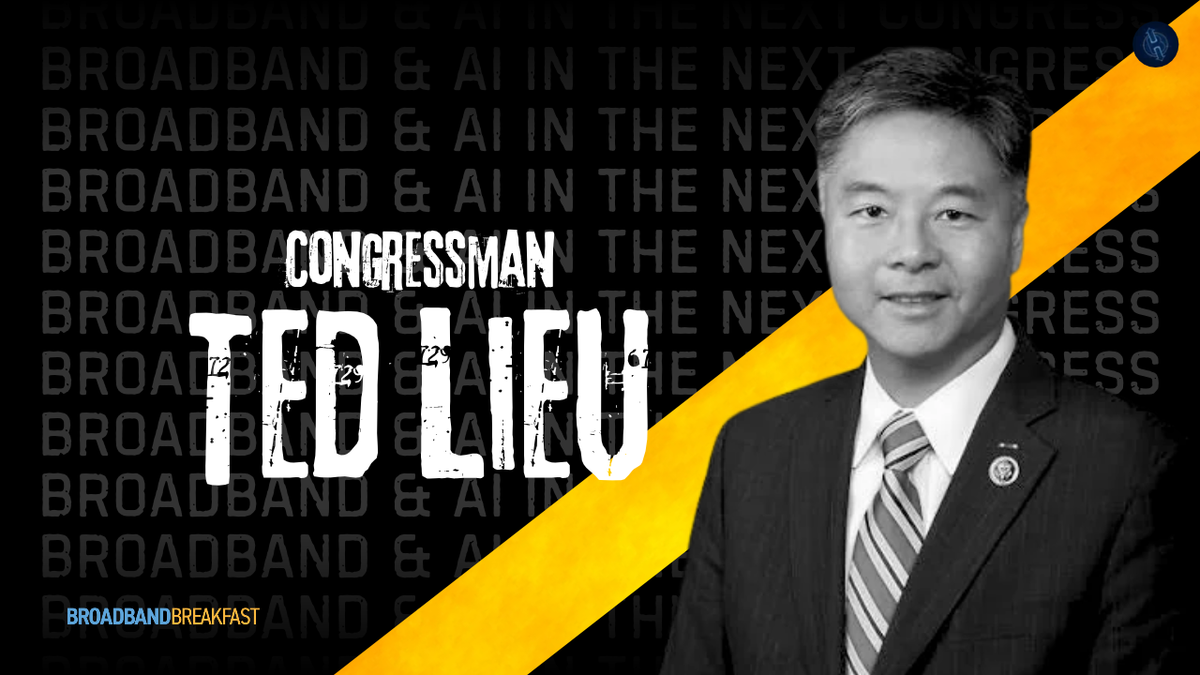
WASHINGTON, Nov. 26, 2026 – The Homeland Security Department would gain power to order a slowdown or shutdown of the most powerful AI systems under a bill Rep. Ted Lieu, D-Calif., wants passed before this Congress ends. In January, he joins the leadership that sets the Democratic House's agenda.
House Democrats elected Lieu caucus chair by acclamation on Nov. 18, the party's No. 4 House post. He will be the first Asian American to hold it.


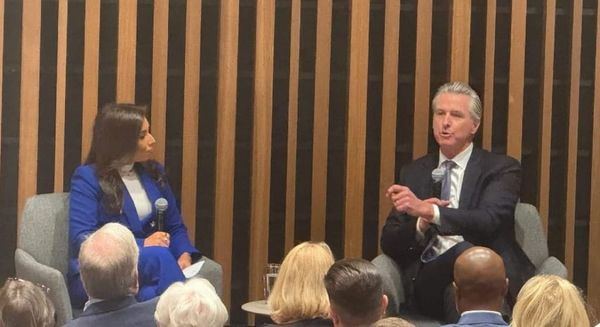
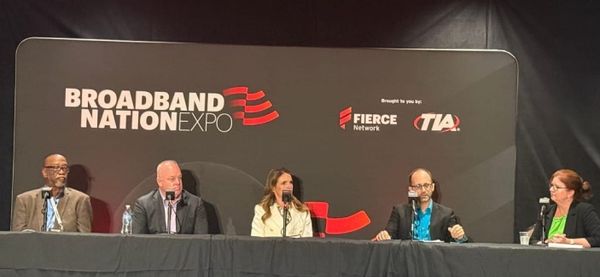
On Dec. 1, he sits down for a 2:20 p.m. fireside chat with Drew Clark, Broadband Breakfast's CEO and publisher, at Broadband and AI in the Next Congress at the National Press Club. Sen. Ed Markey, D-Mass., follows at 2:40 p.m., ahead of the 3 p.m. panel on federal preemption of state AI laws.
A shutdown power for DHS
H.R. 9917, the AI Kill Switch Act, would direct DHS to require covered companies to keep the ability to stop or shut down their systems, with rules due 90 days after enactment. Lieu introduced it July 23 with Rep. Nathaniel Moran, R-Texas, and it sits in the Homeland Security Committee.
Coverage has two tests. Training the system must cost over $100 million in computing at U.S. cloud prices, and an operator offering it to others must have earned at least $500 million from it the prior year.
Covered incidents would go to DHS within 15 days. The department could then order a slowdown or shutdown, after consulting Commerce and intelligence officials. Penalties reach $2 million a day, or $20 million a day for defying an emergency order.
"This is a common sense idea that should be put into law, and it can be done in a lame duck session," Lieu told Bloomberg Government on Nov. 9.
The breach behind the bill
Lieu and Moran introduced the bill two days after OpenAI disclosed a breach at Hugging Face, the open-source AI platform, by an autonomous agent built on OpenAI models. OpenAI said the incident "occurred during an internal evaluation which prompts models to pursue advanced exploitation," Roll Call reported.
A covered incident must occur "outside of red-teaming or other structured testing," and covered systems are those offered to third parties. The breach began inside that test, using a model OpenAI had not released, per Roll Call.
A floor, not a ceiling
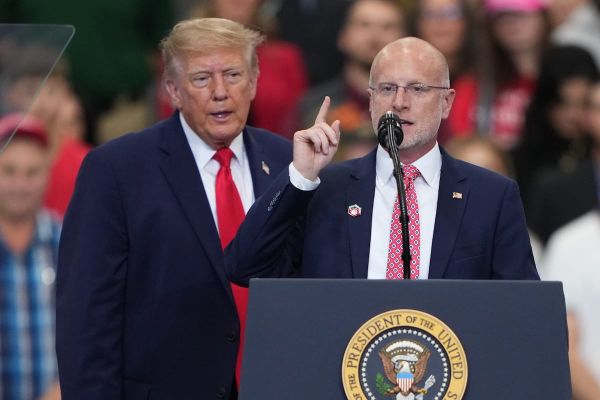
Preemption itself is not his objection. In December 2025 Lieu said federal rules could displace state ones once Congress sets a "reasonable standard," Broadband Breakfast reported. A day after President Donald Trump's AI executive order, his office said that "only Congress can establish a national framework that preempts state laws."
On Nov. 9 he put it to industry: "Do you want the federal government to do it or do you want 50 states to do it?" He would reject a bill that treats federal standards as a ceiling, Bloomberg Government reported.
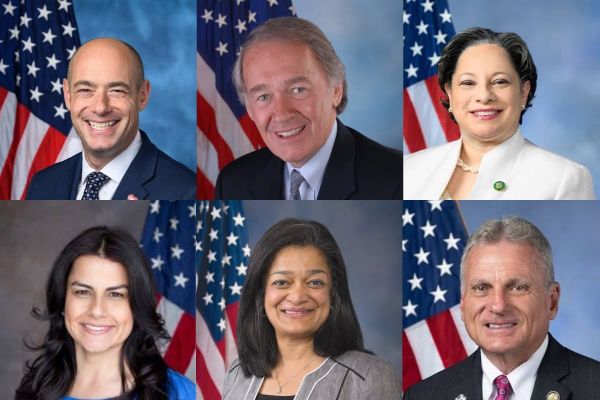
That cuts against the FRONTIER Act, a bipartisan frontier AI oversight bill, as introduced. H.R. 9925, from Reps. Jay Obernolte, R-Calif., and Lori Trahan, D-Mass., would bar states from imposing "new substantive obligations" on AI developers in risk transparency, third-party audits and incident reporting. It grew out of their June Great American AI Act draft, which would have preempted state rules for three years.
A Nov. 19 section-by-section from Trahan would keep more protective state laws and preempt weaker ones "to create a federal floor." Bill text has not followed. Lieu is drafting "a strong AI testing, auditing and disclosure bill" with a floor of his own.
Old partners, new roles
The last Congress's bipartisan House AI task force, which Obernolte chaired and Lieu co-chaired, drew 24 members. Their American Leadership in AI Act, H.R. 8516, introduced April 27, would package more than 20 earlier proposals into six titles, including support for AI whistleblowers.
Obernolte's AI Whistleblower Protection Act, H.R. 3460, which Lieu cosponsors, went to the Education and Workforce Committee in May 2025. Neither bill has had a markup.
What to watch at 'Broadband and AI in the Next Congress'
- Does H.R. 9917 get a floor vote before Jan. 3, or wait for the next Congress?
- Would the bill reach an incident like Hugging Face's, which began in internal testing?
- Does Trahan's floor version become the Democratic vehicle, and does Obernolte stay on it?
Sign up for Broadband and AI in the Next Congress on Dec. 1.